

 Facebook
 X
X
 Pinterest
 Copy Link
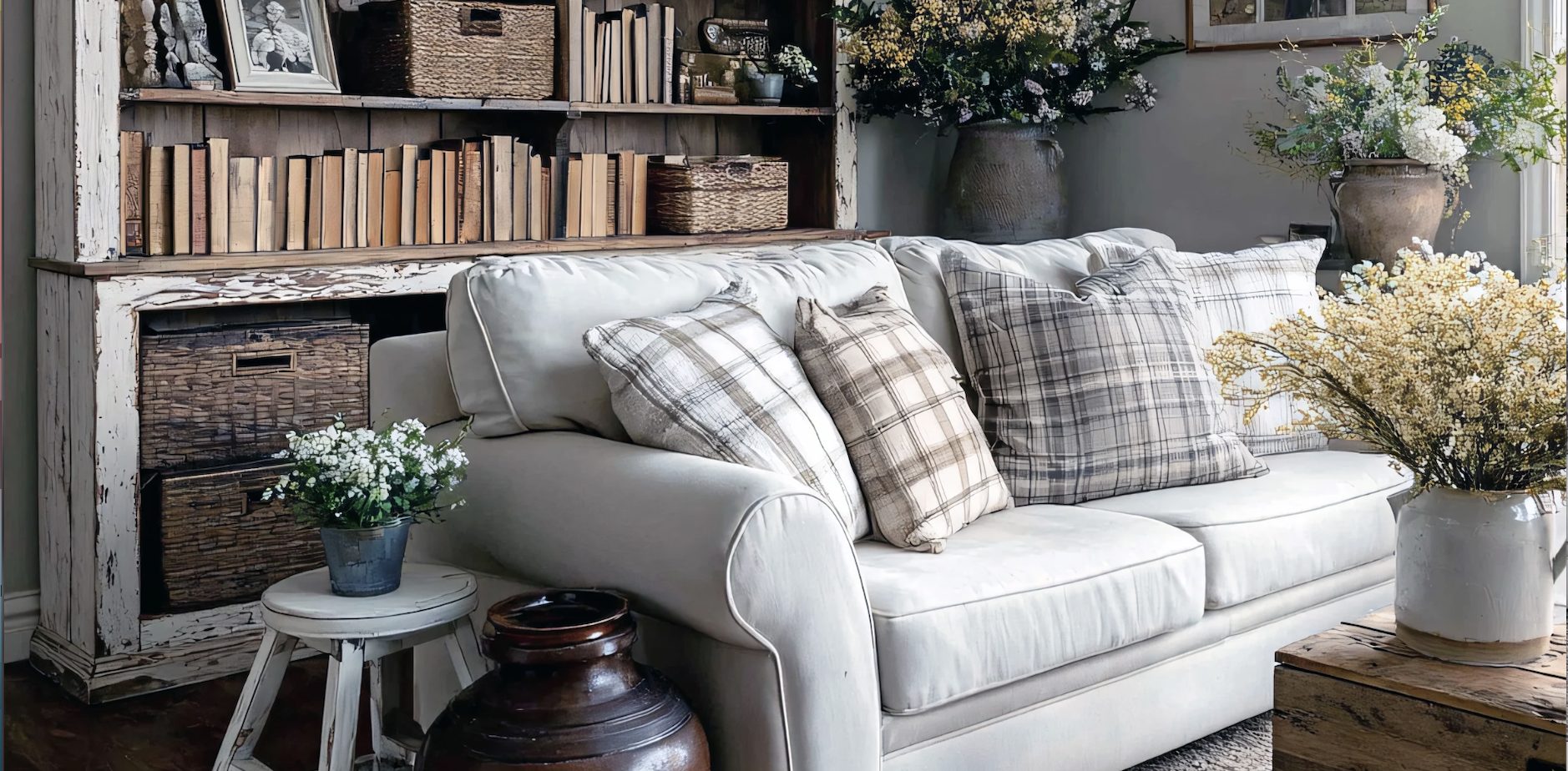
A Return to Traditional Spaces, Thoughtfully Reimagined
The traditional home is back in popularity, and with it comes a renewed appreciation for defined, flexible spaces that support how people actually live.
Home is the one place where you get to shape the environment around your life, taste, and needs. It can be reinvented over time, set a mood, bring a sense of peace, and hold memories much like a living journal.
Over the past 40 years, the way people lived in their homes slowly changed. Buyers began wanting open layouts and often didn’t see much value in separate living and dining rooms. Those rooms felt more formal—almost reserved for special occasions—and were a reminder of an earlier time when certain spaces felt off-limits for everyday use. Walls came down, kitchens became the main gathering place, and those once “special” rooms were used less and less. Mid-century modern homes were open long before it became a trend, but their layouts still felt intentional and defined, with each space serving a clear purpose.
Basements followed a similar evolution. What were once storage rooms and laundry areas became finished lower levels—spaces for gathering, working, or hosting guests. Home design increasingly focused on flexibility and making every square foot count.
Then COVID changed how people thought about their homes. The need for quiet rooms, home offices, and extra bedrooms became very real. When existing layouts didn’t work, many homeowners moved or made changes to their homes. Low interest rates and rising equity made renovations more achievable, and suddenly those formal spaces were needed again.
Living rooms became quiet retreats—no TVs, no foot traffic—just a calm place to read, think, or be present without retreating to a bedroom. Dining rooms doubled as workspaces or study areas, and sometimes even returned to their original purpose—bringing people together for meals outside of holidays and large gatherings.
While some people have returned to office buildings, many still work from home at least part time. Young adults are also living at home longer due to financial realities, creating multi-generational households in a way many families hadn’t experienced in decades. Homes once again need to support different stages of life happening under one roof.
Today, the traditional home is less about formality and more about options. Living rooms become libraries, music rooms, or cozy sitting spaces. Dining rooms turn into art studios, offices, or creative rooms—whatever best fits the household. These spaces no longer feel off-limits; they’re meant to be lived in.
From a real estate perspective, these spaces still matter. Finished living rooms, dining rooms, and other flexible spaces—like a home office, workout room, or hobby space—are counted in a home’s finished square footage. Finished space is more valuable because buyers can use it right away and don’t have to invest additional time or money improving it. That contributes to the “move-in ready” feeling many buyers are looking for and often makes a home feel easier to say yes to.
Unfinished spaces should absolutely be noted when marketing a property, especially when they offer future potential. However, they don’t carry the same impact or value as finished space. Buyers working within a set budget aren’t only focused on what they like about a home—they’re also factoring in what they will need or want to change. Those future changes directly influence how much home they can afford while still being able to finish and use the space in a way that works for their life.
The takeaway: buyers are balancing lifestyle, budget, and effort—and homes with finished, flexible spaces often feel like the more attainable choice.
The well-lived-in home isn’t about formality or perfection—it’s about intention. When spaces are thoughtfully used, well-finished, and marketed with care, they support both daily living and long-term value.
If you’re thinking about selling, or simply curious how your home’s layout, finished spaces, or potential flexibility could be positioned in today’s market, I’d be happy to help. I market homes with thoughtful intention—looking at how they live, how buyers will experience them, and how to highlight what makes them feel both functional and inviting.
